
“The willingness with which our young people are likely to serve in any war, no matter how justified, shall be directly proportional as to how they perceive the veterans of earlier wars were treated and appreciated by their nation.”
— commonly attributed to President George Washington
Recent media articles by organizations like The Economist and the Washington Post have alleged that honorably discharged veterans are overwhelming the Department of Veterans Affairs with false, fraudulent, and dubious claims for minor or illegitimate injuries and illnesses. Elected and appointed leadership overseeing the VA have recently sought to radically slash the amount of support available to veterans and their families while also trying to reduce compassionate human judgment from the VA claims process. It should be clear to many that while most lawmakers and civil servants won’t publicly say that they want to cut veterans benefits, many are constantly seeking an opportunity to bleed these important programs.
This is further exacerbated by public perception. When informed that a veteran could be compensated with up to $6,000 per month in education benefits and healthcare, many civilians understandably balk… especially when they learn that those benefits could be for any number of invisible wounds. It’s easy to see it when someone requires an obvious prosthetic or physical assistance, but mental, gastrointestinal, or breathing issues are less clear. Likewise, service members themselves often don’t understand the reason behind these benefits. As could be expected, many service members have been taught to “tough it out”… to just say, “f**k it, drive on.” The grit and resiliency that many demonstrate is a habit that’s hard to break when it’s time to see a doctor.
Who is Your Doctor?
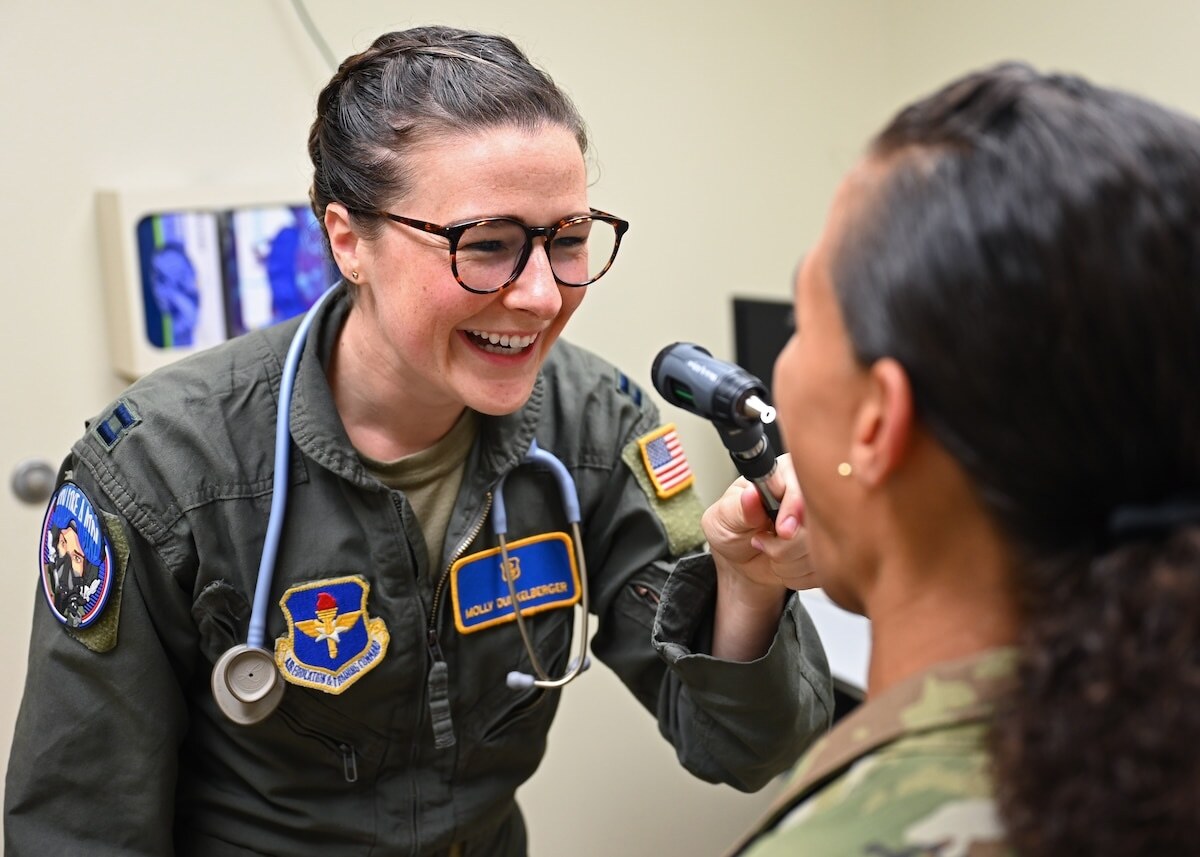
Let’s first talk about exactly that: the doctor you see when you’re in the military. While it’s somewhat of a trope in military circles that active duty healthcare is not great, I argue that it’s very good at accomplishing its goals, even if those goals are different from civilian healthcare providers. In normal American healthcare, medicine is driven by two priorities: get you well, and profit. It creates some uncomfortable conflicts at times, but the U.S. healthcare system is fundamentally a series of businesses and that incentive can drive some unique circumstances.
Military healthcare still wants to get you well, but they no longer worry about profit. They replace it with something altogether alien in other healthcare circles: determining and maintaining fitness for duty. Military medical professionals work very closely with the supporting commanders to ensure that as many service members as possible remain fit for duty, even if that means triaging or delaying care. In many career fields and functions, seeking medical aid is considered taboo, as the numbers may be too thin to withstand someone being even temporarily unfit for duty in advance of their next deployment or mobilization. Especially early in a service member’s career, military doctors will often directly ask what the member’s intent is… “are you planning on separating soon?” The answer to that could mean the difference between surgery and painkillers.
Keep in mind, this isn’t entirely out of sync. While it’s not popular to say, the Department of Defense and its officers are fundamentally charged with the lawful authority to tell our nation’s daughters and sons to sacrifice their lives. Whether it’s in the field or at home, asking them to set aside their health — temporarily — is hardly a far stretch.
Additionally, consider the types of personnel that join the military, including its healthcare professionals. Often untested, undertrained, and seeking growth, military medical professionals that are actively doing patient clinical work are often young and fresh out of their residencies. They are given a group of patients with above-average health and expressly encouraged to keep them as fit for duty as possible. This is not a drag on those amazing folks that raise their right hand and agree to care for our service members; it’s a reality that like other professionals wearing a uniform, they tend to be relatively inexperienced in their craft. Those that are in long enough to earn considerable experience will often move into command, staff, and other administrative roles.
Why This Matters to YOU, the Veteran

Whether you serve for four weeks, four years, or a decades-long career, you raised your right hand and told our nation that you were willing to do something that most Americans are either unwilling or unable to do. Whether you realized it or not, that blank check to Uncle Sam signed away some of your long-term health, if not your very life. You were served by a medical corps who needed to keep you ready to fight as much as they wanted to keep you well and do no harm… and were often as inexperienced at their tasks as you were at yours.
The resiliency that served you while wearing the uniform will continue to serve you long after you hang it up… yet you’re no longer required to be “fit for duty.” Your duty is now to your fellow citizens back home in any number of important roles, yet we no longer need you to sacrifice your health to perform them. While war is not always a choice, the full cost in blood and treasure must always be considered and cannot be an easily waived afterthought. These benefits are designed — as much as possible — to make you whole again and maintain a promise from the American people to its all-volunteer fighting force: we have your back, because you had ours.